




Mountain Bike Suspension Service Guide | Olympic Cycles
Your Suspension Doesn't Have to Be Broken Before It Needs a Service
Ask most mountain bikers when they last serviced their fork or rear shock and you'll usually get one of two answers.
"It still feels fine."
Or...
"I didn't know it needed servicing."
Unlike a chain or brake pads, suspension wears gradually. Performance slowly declines over hundreds of kilometres, making it difficult to notice until you ride a freshly serviced fork and suddenly realise what you've been missing.
Whether you're riding Tokai, Jonkershoek, Bloemendal or your local trails every weekend, keeping your suspension serviced is one of the best investments you can make in your bike. It's not just about comfort- it's about maintaining grip, protecting expensive components and making every ride more enjoyable.
What Does Your Suspension Actually Do?
Modern mountain bike suspension has one simple job: keeping your tyres in contact with the ground.
When your wheels stay planted, you have:
- More grip in corners
- Better braking traction
- Improved climbing efficiency
- Increased control over rough terrain
- Less rider fatigue
Without properly functioning suspension, your tyres spend more time bouncing over obstacles instead of tracking the trail.
The result is a bike that feels harsh, unpredictable and tiring to ride.
Suspension Oil Doesn't Last Forever
Inside every suspension fork and rear shock are seals, lubricating oil, bushings and precision components working together thousands of times during every ride.
Every compression creates friction.
Every dusty ride contaminates the seals.
Every muddy winter ride introduces moisture and grit.
Even if you never crash, these parts slowly wear.
Fresh lubrication keeps everything moving smoothly while reducing wear on expensive internal components. Ignoring servicing doesn't simply reduce performance - it accelerates wear.
Why Regular Suspension Servicing Matters
Many riders think servicing only restores performance.
In reality, it also prevents expensive repairs.
Regular servicing helps to:
- Extend the life of your fork and rear shock
- Prevent damaged stanchions
- Reduce seal wear
- Maintain damping performance
- Improve small bump sensitivity
- Prevent expensive internal damage
- Preserve the manufacturer's warranty requirements
A simple lower-leg service is considerably cheaper than replacing damaged internals because contaminated oil was left inside for too long.
Recommended Suspension Service Intervals
Service intervals vary slightly between manufacturers such as Fox, RockShox, Marzocchi and Öhlins, but these are good general guidelines.
| Service Type | Recommended Interval |
|---|---|
| Clean stanchions after every ride | Every ride |
| Air can / lower leg service | Every 50 riding hours |
| Full damper service | Every 100–200 riding hours |
| Annual inspection | Once per year (minimum) |
If you ride regularly in Cape Town's dry, dusty conditions, servicing may be required even sooner.
Dust is one of the biggest enemies of suspension performance.
What Happens During a Suspension Service?
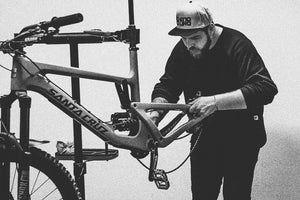
Depending on the service level, your technician may:
- Strip the fork or rear shock
- Replace worn seals
- Replace foam rings
- Clean internal components
- Replace suspension oils
- Inspect bushings
- Check air spring operation
- Service the damper cartridge
- Reassemble with manufacturer-approved lubricants
- Reset pressures and rebound
The bike often feels noticeably smoother after servicing, especially over small trail chatter.
Air Pressure (PSI): Why It Matters

One of the easiest improvements you can make costs absolutely nothing-setting the correct air pressure.
Too much air pressure and your bike feels:
- Harsh
- Nervous
- Lacking grip
- Difficult to corner
Too little air pressure can cause:
- Excessive diving
- Bottoming out
- Poor climbing efficiency
- Unstable handling
The correct PSI depends on:
- Rider weight
- Riding style
- Trail conditions
- Suspension travel
- Bike design
- Manufacturer recommendations
Never simply copy a friend's settings. The ideal setup is unique to every rider.
Understanding SAG
If air pressure sets the foundation, SAG fine-tunes the ride.
SAG is how much your suspension compresses under your body weight while you're in your normal riding position.
A good starting point is:
- Cross Country (XC): 15-20%
- Downcountry: 20-25%
- Trail: 25-30%
- Enduro: 28-30%
- Downhill: 30-35%
Too little SAG makes the bike feel harsh and reduces grip.
Too much SAG causes the bike to sit too deep into its travel, affecting handling and making it easier to bottom out.
Don't Forget Rebound
Air pressure isn't the only adjustment.
Rebound controls how quickly your suspension returns after compressing.
Too fast and the bike feels like it's bouncing off every obstacle.
Too slow and the suspension can "pack down", using less travel over repeated impacts.
A few clicks can dramatically change how your bike handles. If you're unsure, start with the manufacturer's recommended settings and make small adjustments one click at a time.
Simple Habits That Extend Suspension Life
Good suspension maintenance starts long before it reaches the workshop.
After each ride:
- Wipe dirt from the stanchions with a clean microfibre cloth.
- Avoid pressure washing directly at suspension seals.
- Inspect for oil leaks.
- Check for scratches on the stanchions.
- Store the bike somewhere dry.
- Keep suspension pivots clean on full-suspension bikes.
These simple habits can significantly extend service life.
Signs Your Suspension Needs Attention
Your fork or shock may be overdue for servicing if you notice:
- Oil around the seals
- Increased stiction
- Suspension feeling harsh
- Reduced travel
- Strange noises
- Excessive bobbing
- Air pressure dropping frequently
- Lockout not functioning correctly
- Visible dirt collecting beneath the seals
Don't wait until the suspension stops working. By then, the repair bill is often much higher.
Suspension Is an Investment Worth Protecting
A quality suspension fork or rear shock is one of the most expensive components on your mountain bike.
Regular servicing protects that investment while ensuring your bike performs exactly as its designers intended.
Whether you're chasing podiums, tackling technical descents or simply enjoying weekend rides, properly maintained suspension delivers better control, greater confidence and a smoother ride every time you head onto the trail.
If you're unsure when your suspension was last serviced, it's probably worth having it inspected. A professional assessment can identify worn seals, contaminated oil or developing issues before they turn into costly repairs.
Book Your Suspension Service
At Olympic Cycles, our experienced workshop services a wide range of mountain bike suspension systems, including forks and rear shocks from leading manufacturers.
Whether your suspension is due for a routine lower-leg service, a full rebuild or simply needs its air pressure and SAG set correctly, our technicians can help get your bike performing at its best.
Book your bike into our workshop HERE today and experience the difference that professionally serviced suspension makes.